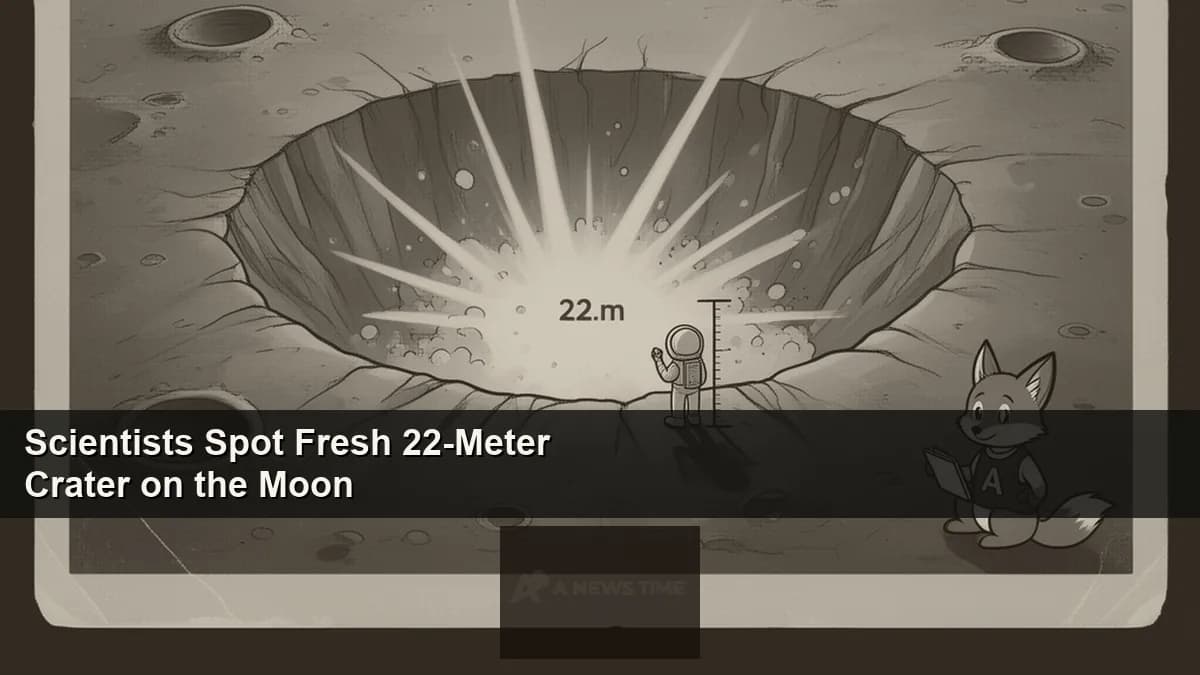
Scientists Spot Fresh 22-Meter Crater Scarring the Moon
NASA's LROC team identified a fresh 22-meter-wide crater formed between 2009 and 2012, revealing the Moon is still actively changing and what that means for future astronaut missions.

Latest science news covering space exploration, climate research, biotech breakthroughs, and discoveries. Expert reporting on the research transforming our world.
NASA's LROC team identified a fresh 22-meter-wide crater formed between 2009 and 2012, revealing the Moon is still actively changing and what that means for future astronaut missions.

India has pulled its bid to host COP33, citing domestic energy pressures that Carbon Brief describes as potentially the worst energy crisis in the country's modern history. The retreat signals a fracturing of the developing-nation climate leadership consensus India helped build at COP26 and COP28.

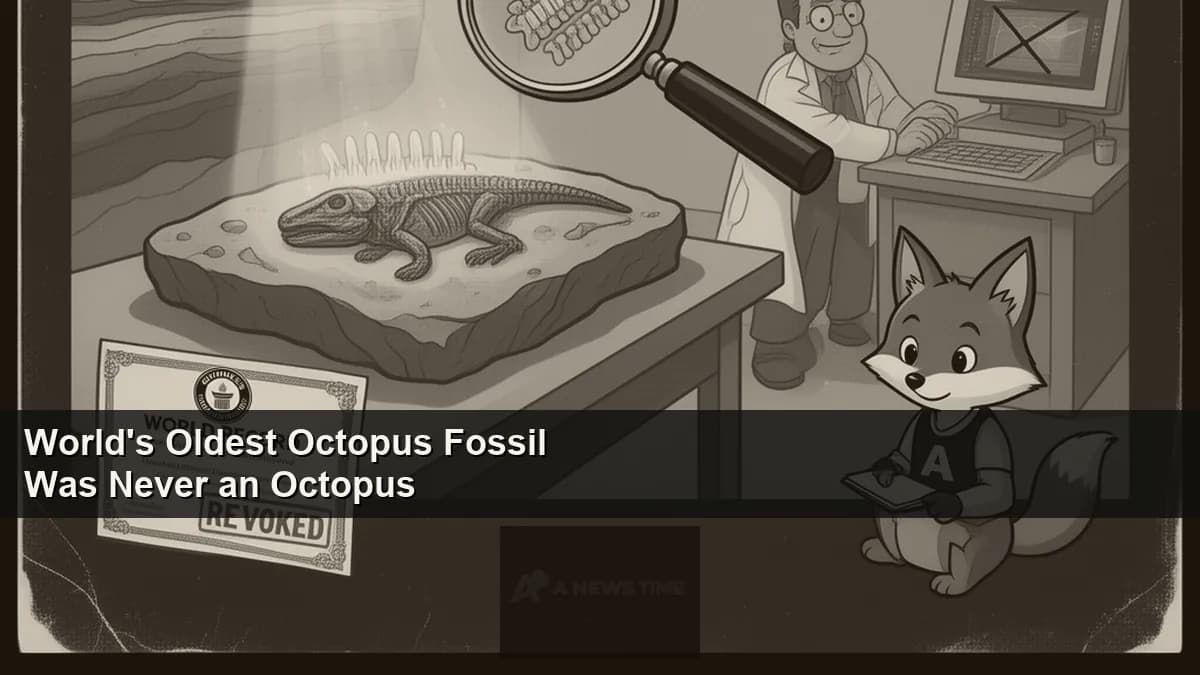
Synchrotron imaging reveals Pohlsepia mazonensis, the 300-million-year-old specimen with a Guinness World Record, was actually a nautiloid, rewriting cephalopod evolutionary history.

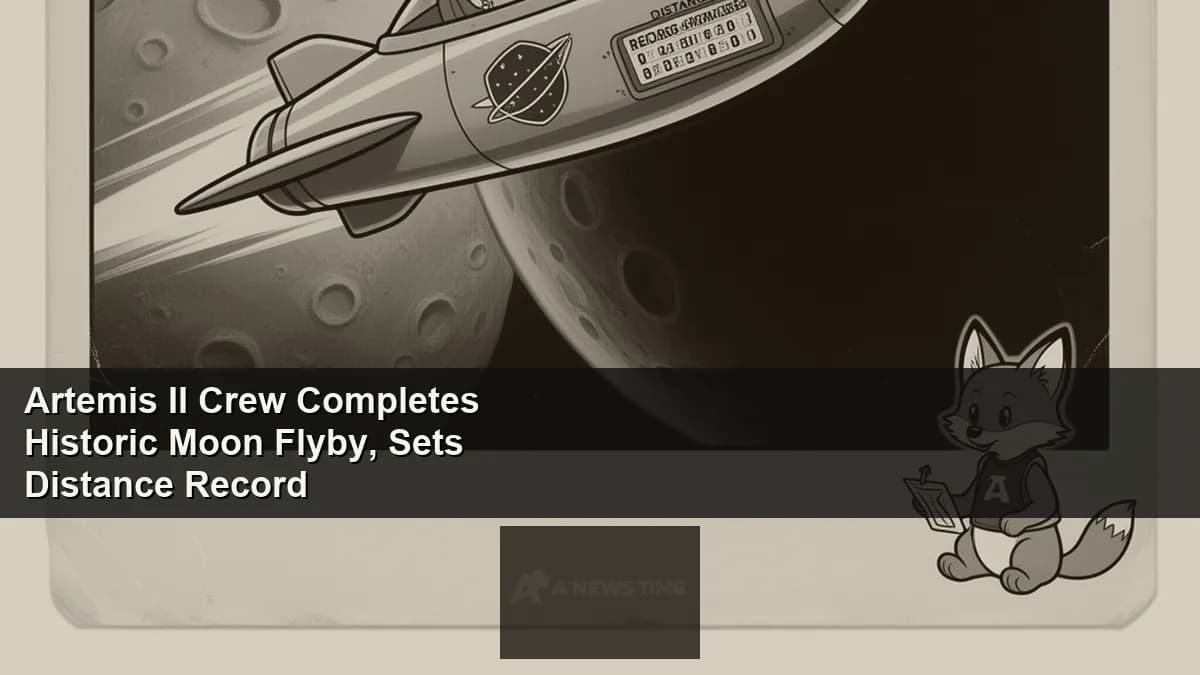
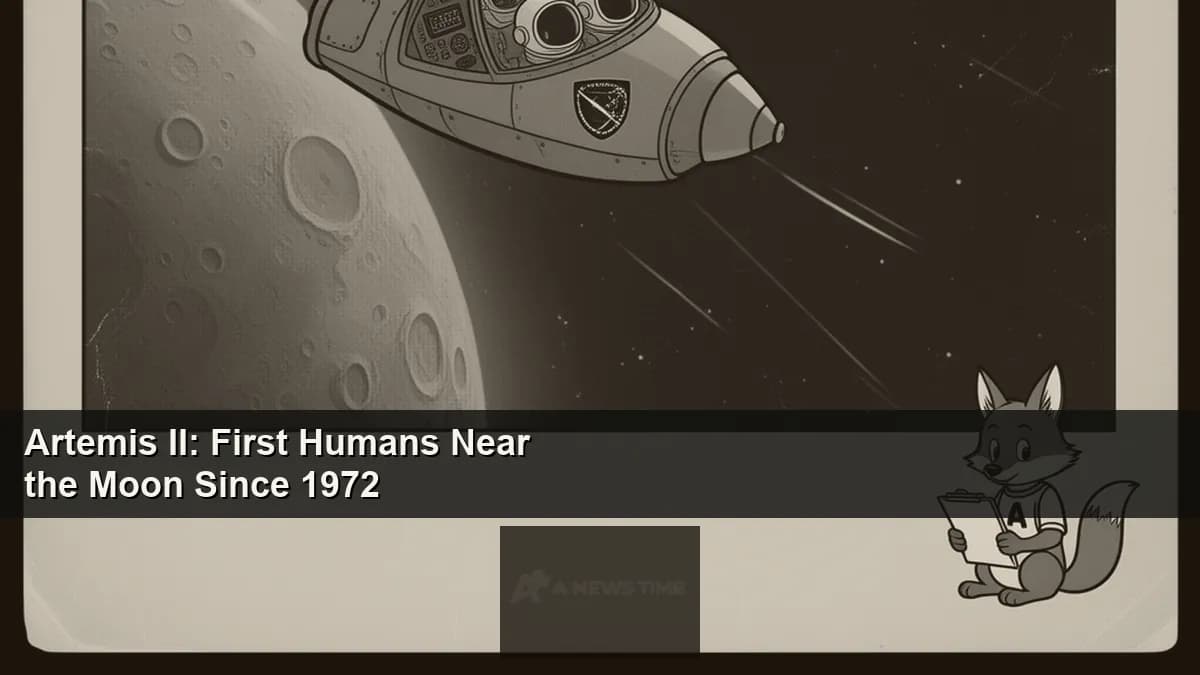
On April 7, 2026, the Artemis II crew surpassed Apollo 13's 54-year crewed distance record, reaching 252,755 miles from Earth on a free-return lunar trajectory and photographing the Moon's south pole.

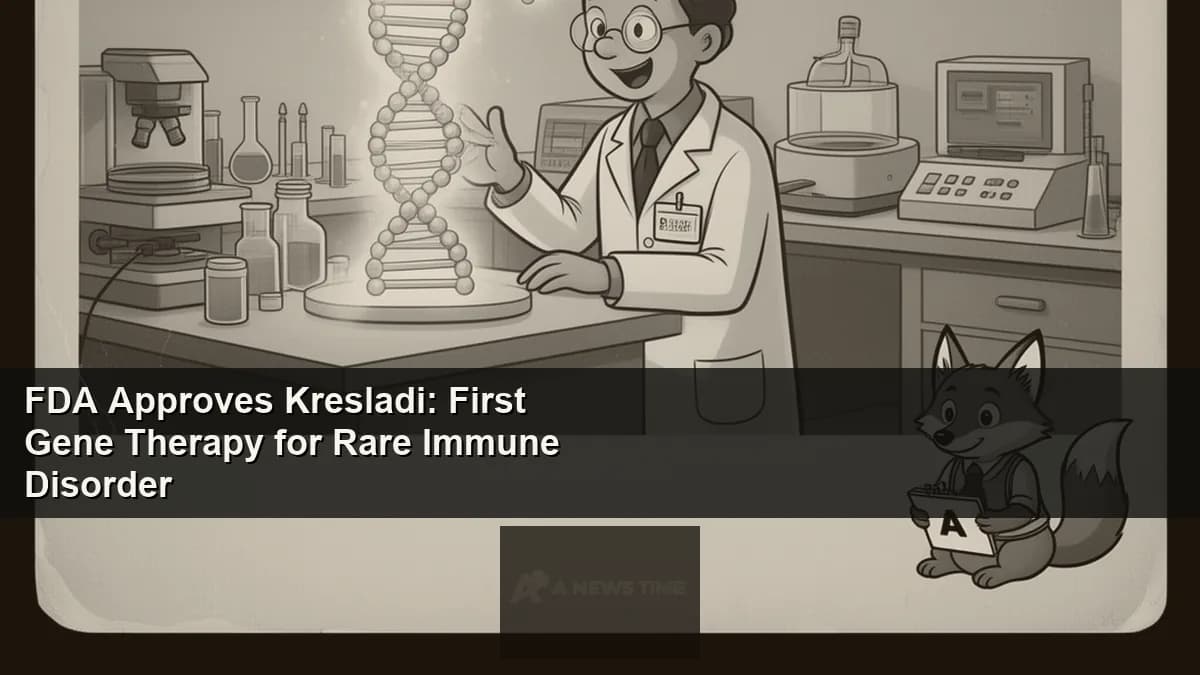
Rocket Pharma's Kresladi received FDA accelerated approval on March 26, 2026, as the first gene therapy for Severe LAD-I, an immune disorder that is fatal in most untreated infants.

SpaceX filed confidentially for an IPO at a $1.75 trillion valuation on April 1, 2026, targeting a June NASDAQ listing that would raise $75 billion in the largest public offering ever.

On April 6, 2026, four astronauts passed within 6,400 miles of the Moon for the first time since Apollo 17, with Victor Glover, Christina Koch, and Jeremy Hansen each making history.

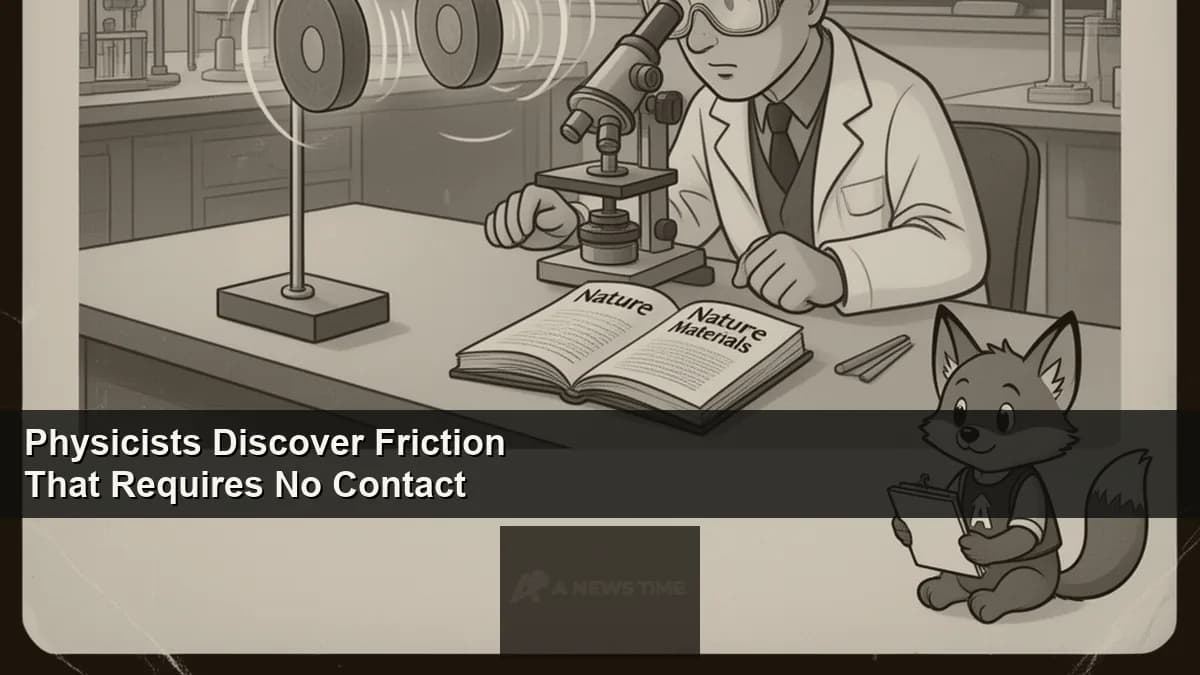
University of Konstanz researchers demonstrated friction between non-touching objects driven by competing magnetic orders, challenging Amontons' 300-year-old friction laws and opening the door to frictional metamaterials.

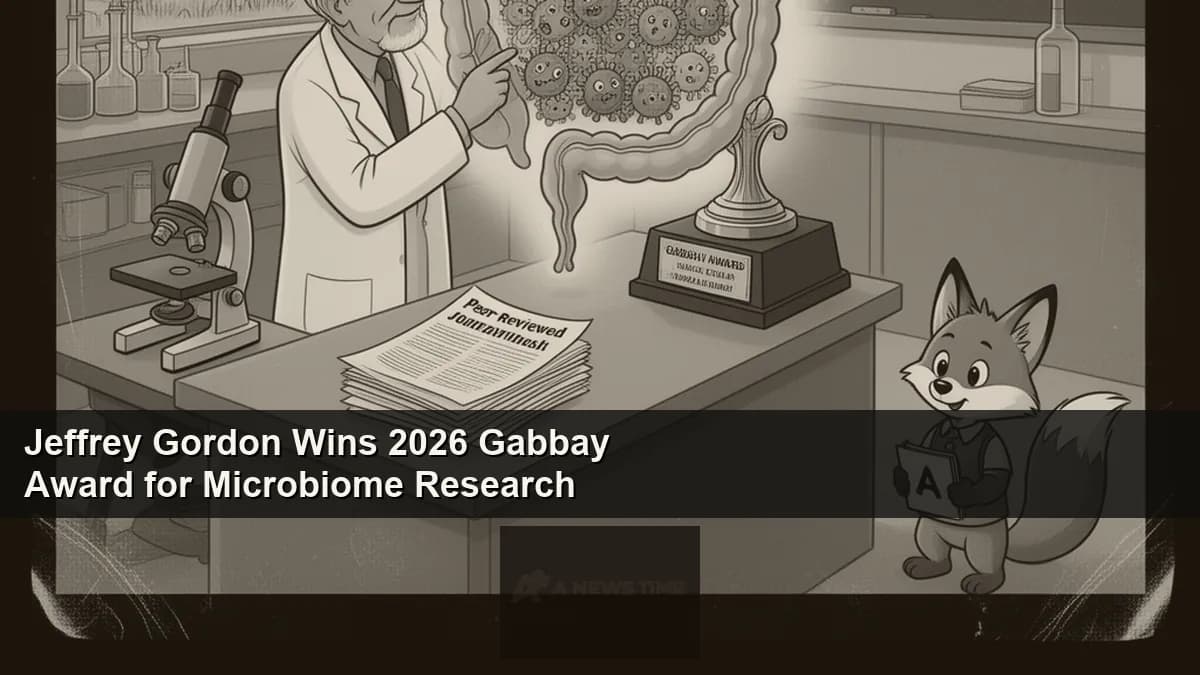
Washington University's Dr. Jeffrey Gordon received the $25,000 Gabbay Award for 30 years of microbiome science, including MDCF trials in Bangladesh showing measurable improvements in malnourished children.

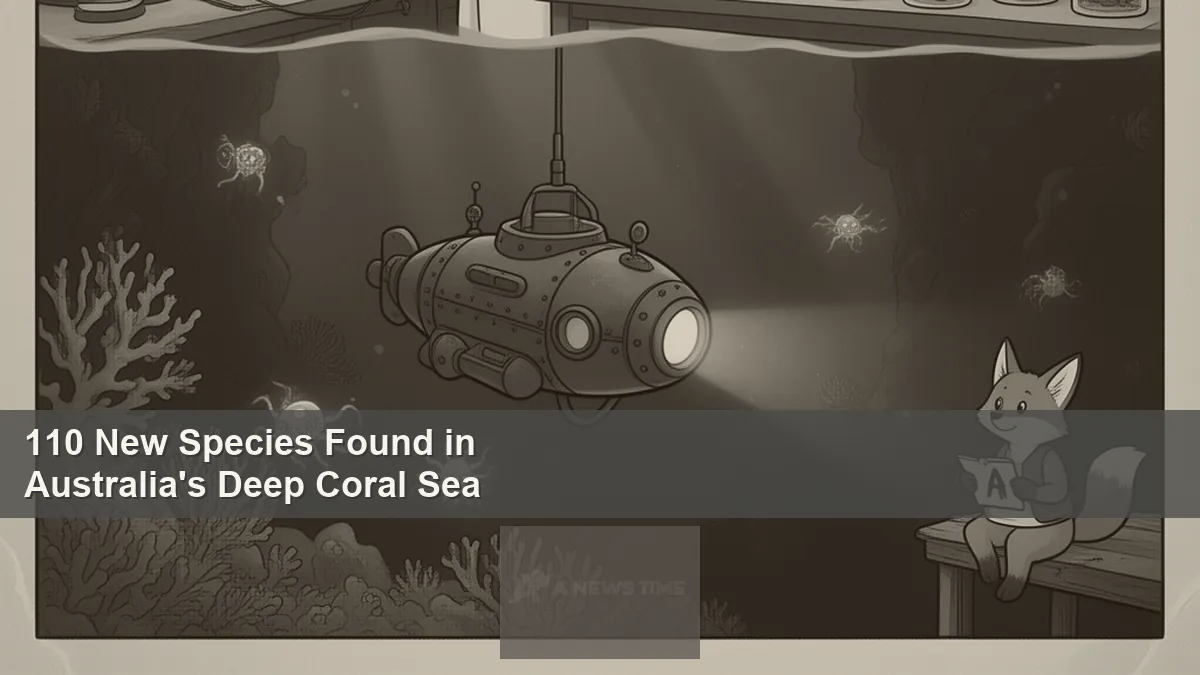
CSIRO-led marine scientists confirmed over 110 new-to-science fish and invertebrate species in the Coral Sea Marine Park, with the final count expected to exceed 200 after full DNA analysis.

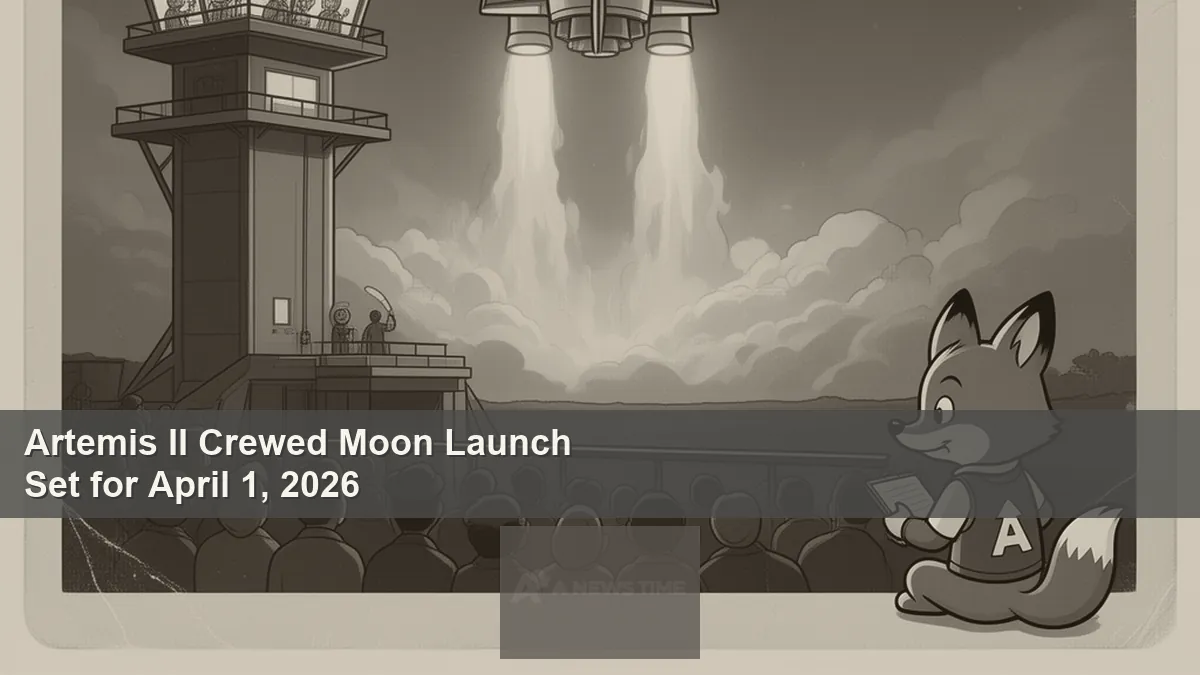
NASA's Artemis II, the first crewed flight around the Moon since Apollo, is set for a 6:24 p.m. ET launch window on April 1 carrying four astronauts on a 10-day mission.

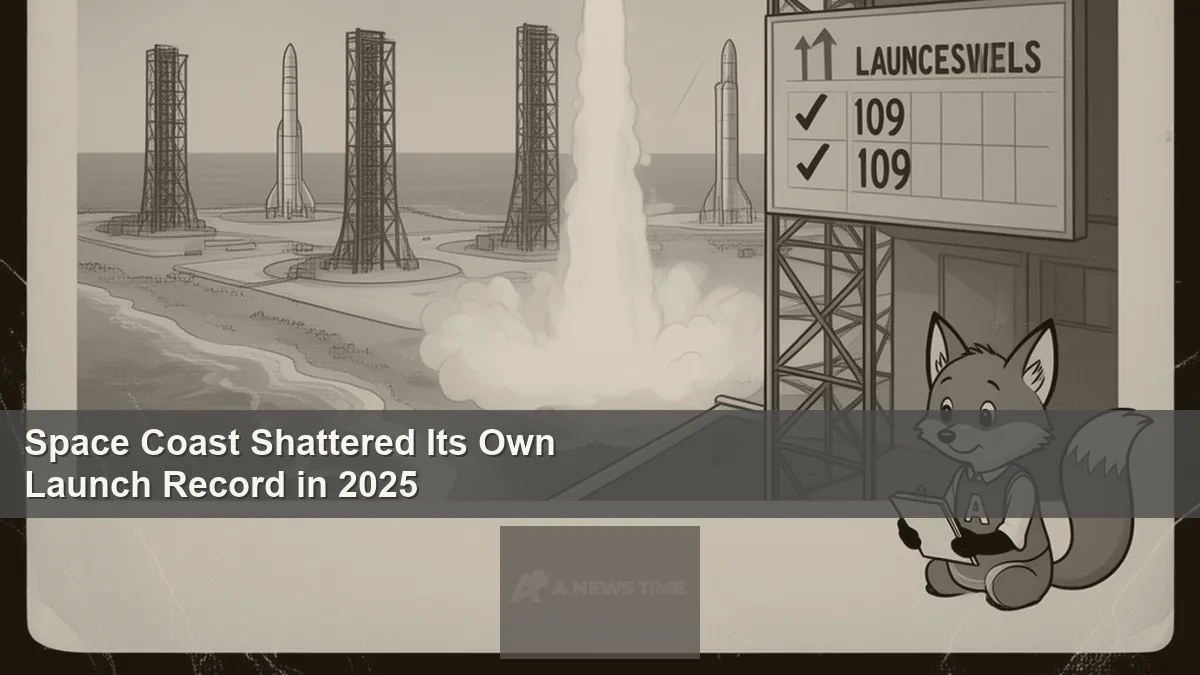
Florida's Space Coast set an all-time record of 109 orbital launches in 2025, up from 93 in 2024, with Artemis II and multiple Starlink missions packing the week of March 30, 2026.