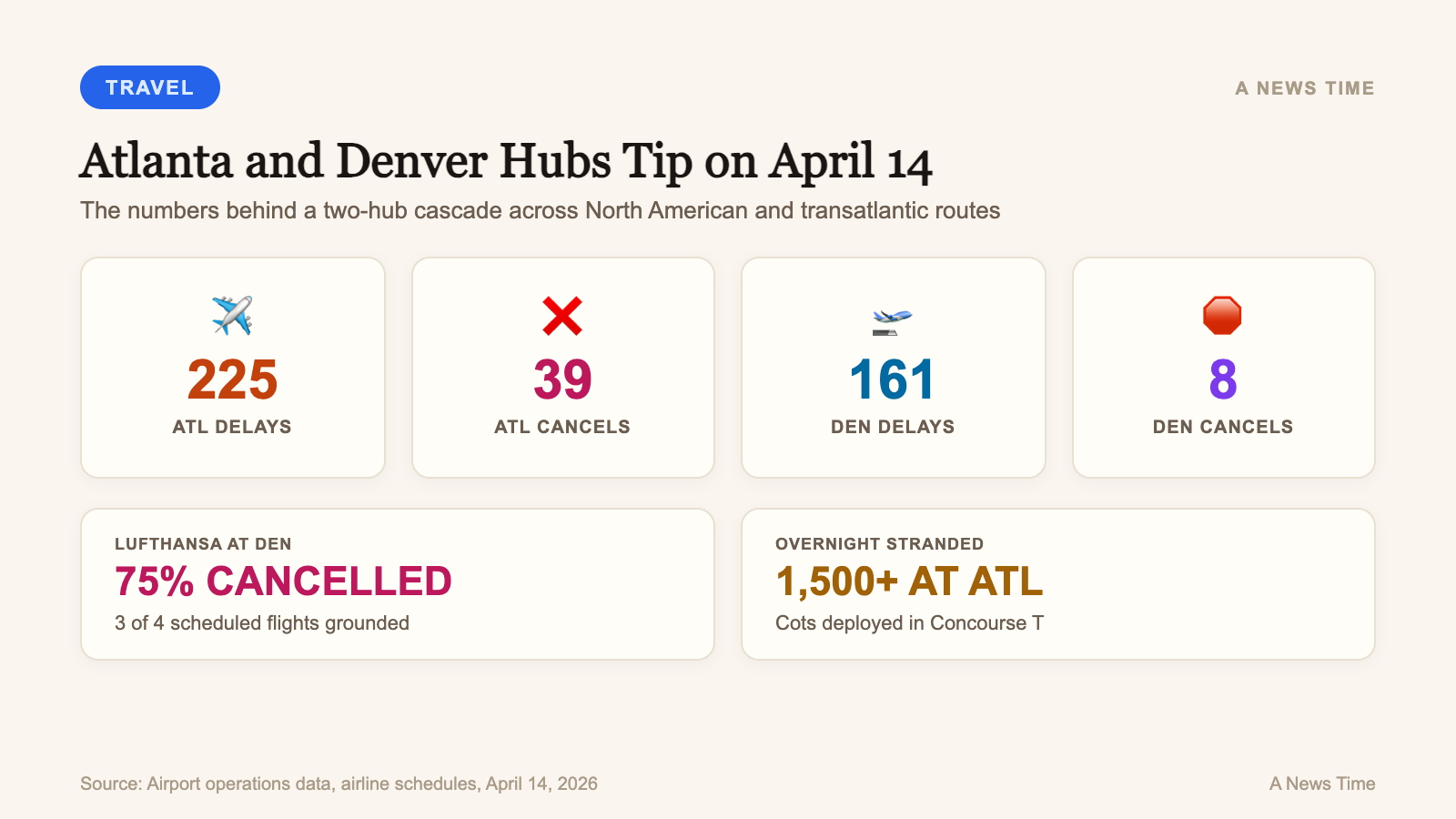
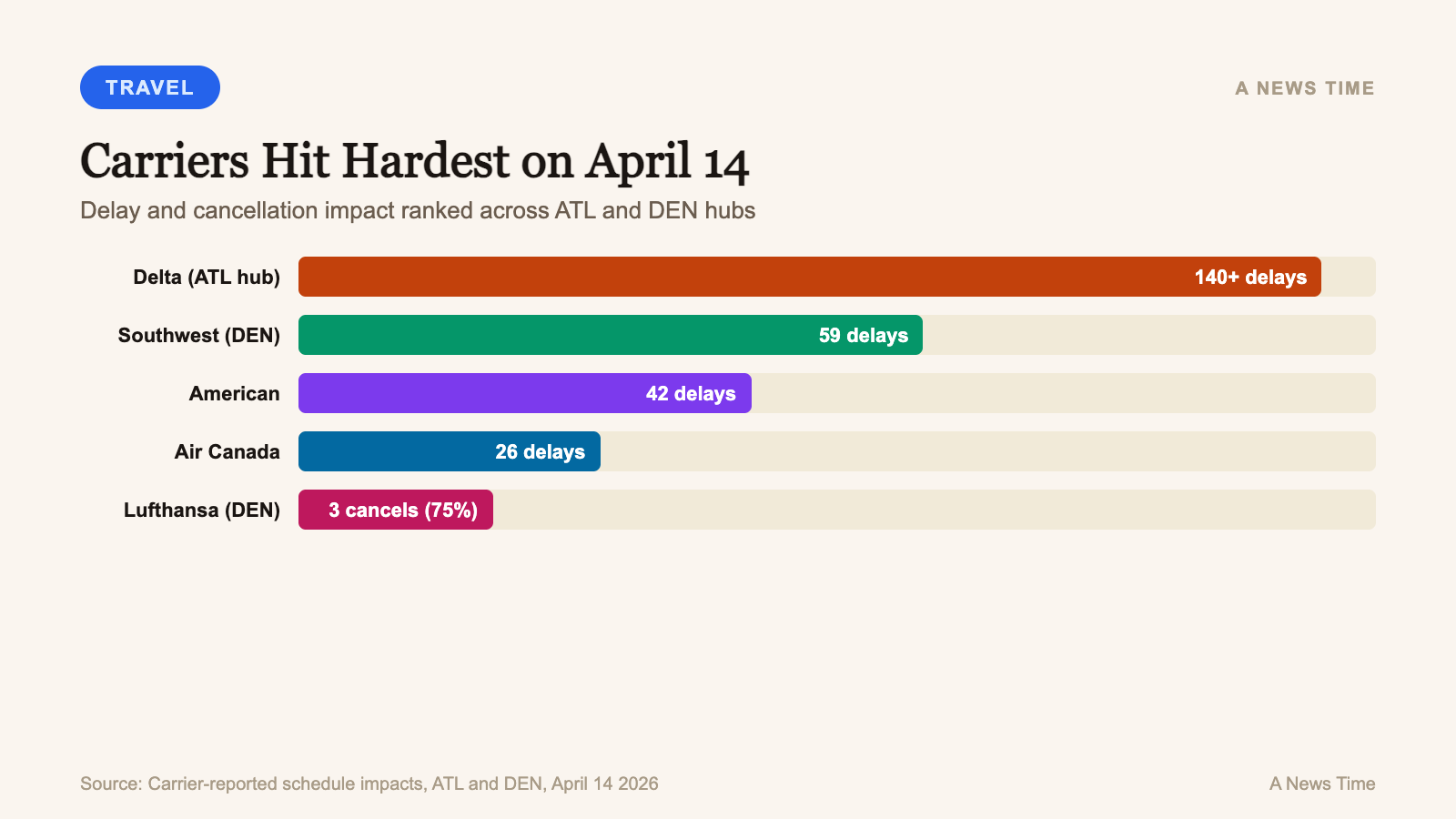
Gate boards at Hartsfield-Jackson Atlanta International Airport rolled red for most of Tuesday, cot beds went up in Concourse T by mid-afternoon, and the United States' two largest interior hubs spent dragging several hundred flights into delay or cancellation. Atlanta logged 225 delayed flights and 39 cancellations. Denver International logged 161 delayed flights and 8 cancellations. Together the two airports produced the kind of network cascade anyone who has missed a connection in either city will recognize on sight.
The day hit right at the seam of spring break tail and Easter return week, the worst possible moment for a hub disruption. Delta Air Lines, Southwest, American, Lufthansa, Air Canada, and United all reported schedule impacts. Passengers heading for Munich, Toronto, Oakland, Dallas, and Abu Dhabi spent the afternoon refreshing FlightAware on their phones and watching itineraries dissolve in real time.
What travelers actually saw on the ground
The first thing you notice in an airport cascade is the sound. Atlanta's gate announcements shift from individual boarding calls to a running drone of "we apologize for the delay," and the timbre of the terminal changes from travel hum to something quieter. By noon Tuesday, the lines at the Delta Sky Club desks in Concourse B were wrapping past Starbucks. By 4 p.m., customer service counters had queue times pushing two hours. Gate areas near E and F, which handle most of Atlanta's long-haul international departures, filled beyond capacity.
In Denver, the scene was different and somehow worse. DIA's signature peaked-tent roof is beautiful in any light, but the Jeppesen Terminal floor was a study in stranded business travel by mid-afternoon. Lufthansa passengers booked on the daily DEN-Munich run, one of three cancellations that took down 75% of Lufthansa's Denver schedule, watched their evening boarding time slide from 5:45 p.m. to "TBD" and then disappear from the board entirely.
Cot setups went up in Atlanta first. The overnight stranded count at Hartsfield-Jackson cleared 1,500 passengers before airport operations began the recovery cycle.
The numbers that define the day
The raw totals are bad on their own. What makes them worse is where they landed. Atlanta is the world's busiest airport and the heart of Delta's network. Denver is the third-busiest airport in the United States and a United fortress hub with significant Southwest presence. A day that tilts both at once is a day the whole U.S. network feels.
| Airport Cascade (April 14, 2026) | Atlanta Hartsfield-Jackson (ATL) | Denver International (DEN) |
|---|---|---|
| Delayed flights | 225 | 161 |
| Cancelled flights | 39 | 8 |
| Hardest-hit carrier | Delta Air Lines (hub) | Lufthansa (3 of 4 flights cancelled) |
| Highest delay volume | Delta feeder banks | Southwest, 59 delayed flights |
| Peak delay duration | 4-6 hours (evening bank) | 3-5 hours (afternoon bank) |
| International routes affected | 12+ (Toronto, London, Abu Dhabi, Asia) | 4+ (Munich, Toronto, London) |
| Overnight stranded estimate | 1,500+ | 400+ |
| Expected recovery window | 24-48 hours | 24-36 hours |
The Lufthansa number in Denver is the one that made aviation watchers flinch. Losing three of four scheduled flights at a single hub is a 75% cancellation rate, the kind of operational hit that takes days of crew and aircraft repositioning to recover from.
Why the cascade spread the way it did
Hub-and-spoke networks have a familiar failure mode. When a modest operational problem lands at a primary hub, whether a line of thunderstorms in the TRACON, a crew-scheduling hiccup, or an aircraft rotation that slips out of schedule, the consequences ripple to every downstream flight. Unlike distributed point-to-point networks, hub cascades cannot be absorbed through alternate routing.
The April 14 cascade appears to have started with a weather-and-air-traffic-control mix in the Atlanta TRACON that slowed departure banks from mid-morning, then compounded as Delta crews hit duty limits and aircraft missed their evening rotations. From Atlanta, the effect spread up the eastern seaboard and into Delta's international partner routes, including Korean Air's Atlanta-to-Asia codeshare services.
Denver's cascade has more interesting provenance. The FAA has been dealing with ATC staffing shortfalls at the Denver Center for most of the past year, and the April 14 delay pattern at DEN clustered in afternoon and evening departure banks in a way that looked consistent with staffing-driven ground-stop rolling rather than a weather event. Denver had clear skies for most of the day. That is the detail that makes this day worth watching.
What passengers can actually do when a hub tips
U.S. Department of Transportation rules require airlines to rebook passengers onto the next available flight at no additional charge when a flight is cancelled. DOT's 2024 rule expanded automatic refund rights for significantly delayed flights that a passenger chooses not to take, defined as more than three hours for domestic and six hours for international itineraries.
International travelers on U.S.-EU routes have additional rights under EU Regulation 261/2004, which covers flights departing the U.S. if the operating carrier is an EU airline. Compensation under 261 tops out at 600 euros for long-haul and kicks in once the delay at the final destination clears three hours.
Most passengers in an April 14-style cascade will never see a cash payout. What they will see, if they act quickly, is a rebooking onto a functional route. A short list of what usually works at a tipped hub:
- Open the airline's app before you leave the gate. Self-serve rebooking inventory is the fastest lane.
- Call the airline's international service center while you wait at the desk. International call centers often have more seat access than U.S. queues on a bad day.
- Check neighboring airports. For Atlanta, that means Birmingham or Chattanooga for regional reroutes. For Denver, it means Colorado Springs for short-haul domestic.
- Document every dollar you spend on meals, hotel, and ground transport. Receipts are the only lever if you end up filing a claim later.
- Know your codeshare. If you are flying a partner carrier, either airline in the codeshare pair can often rebook you. The faster queue wins.
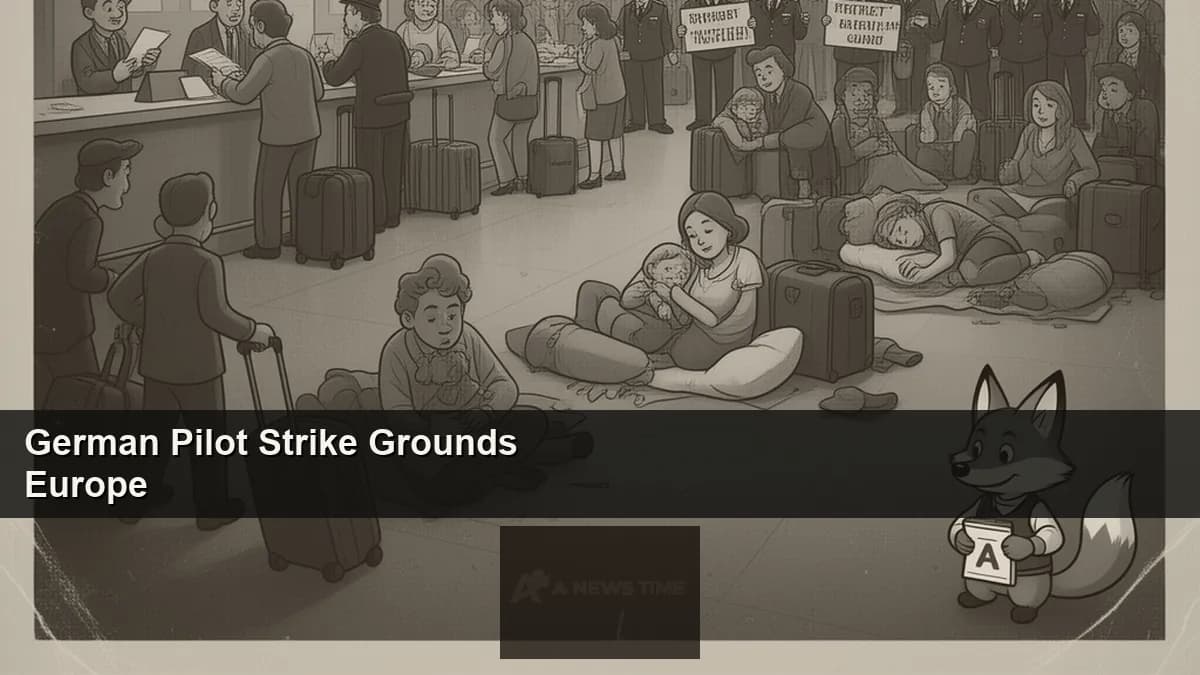
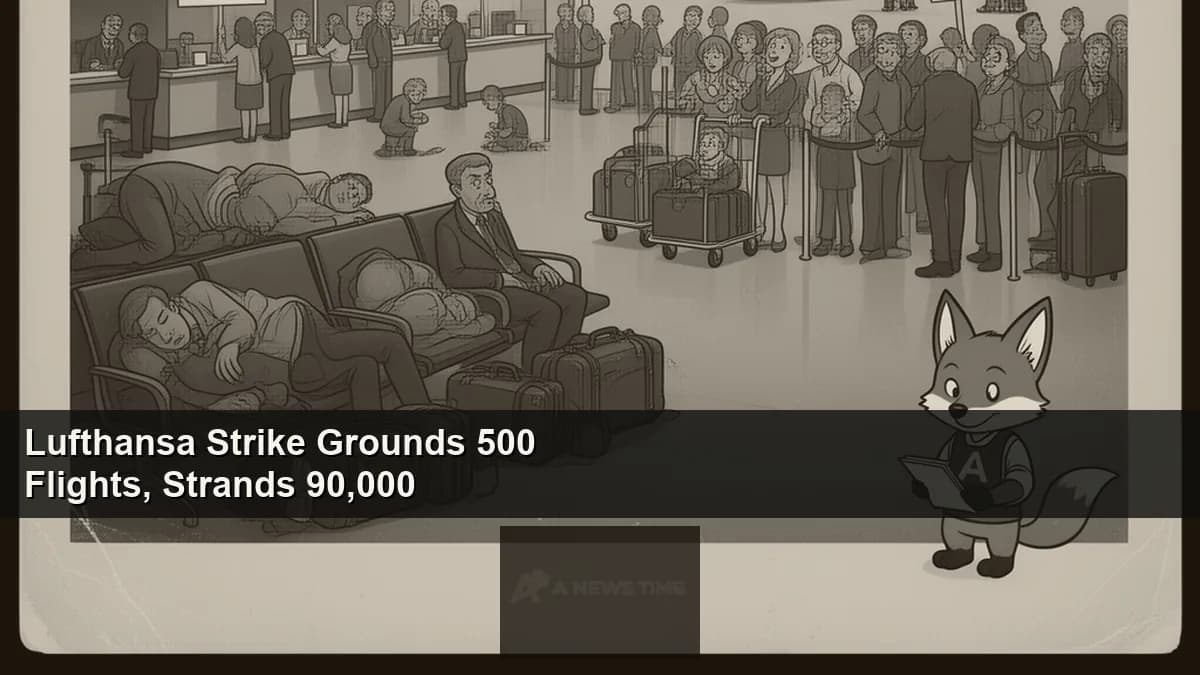
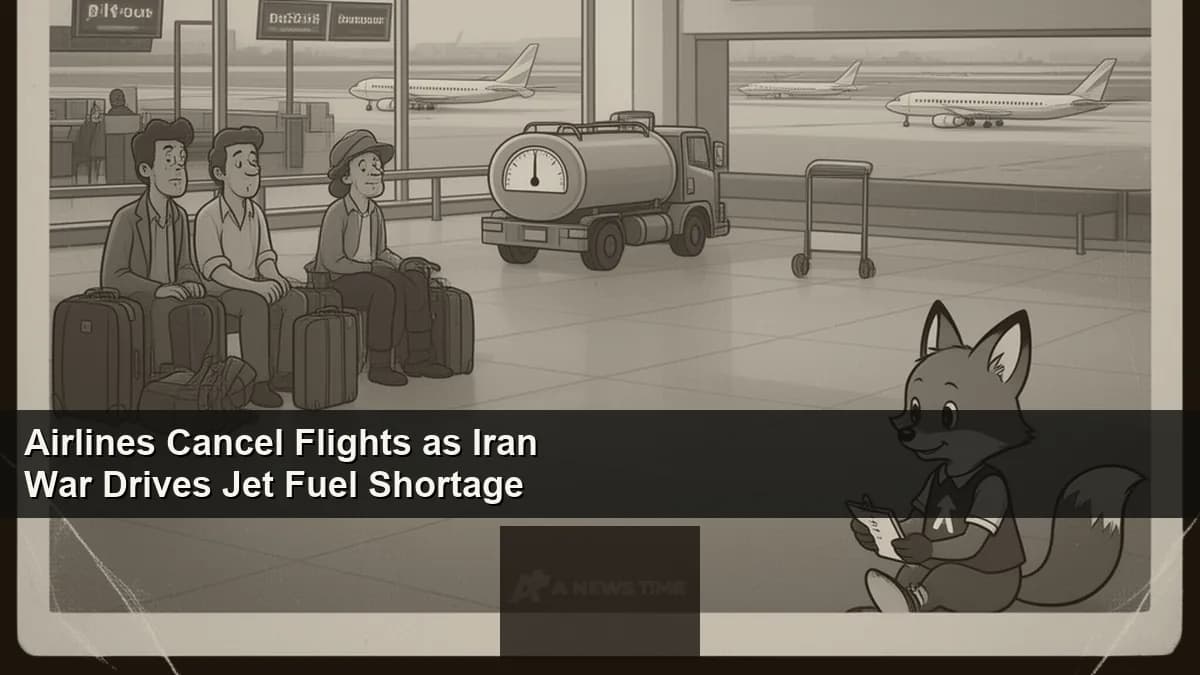
For the broader context on how airline disruptions have been trending this spring, our coverage of the German pilot strike that grounded 500 European flights on the same day and the earlier Lufthansa strike that stranded 90,000 passengers lays out why transatlantic routes have been especially fragile this month. The jet-fuel shortage tied to the Iran conflict has also thinned carrier flexibility on long-haul rebooking, which is part of why European cancellations like the Lufthansa Denver run have been harder to rebuild than they would have been a year ago.
The 48 to 72 hour tail
Hub cascades do not end when the last delayed flight departs. They end when crews and aircraft repopulate their schedules across the network, which typically takes 24 to 48 hours for a medium event and can stretch to 72 hours when the affected hub is a carrier's largest operation. For Delta at Atlanta, the April 14 event is a medium-to-large cascade that will bleed into Wednesday morning departures and, for the carrier's long-haul fleet, potentially into Thursday.
"When you tip a hub like Atlanta on a Tuesday in mid-April, you are not looking at a one-day recovery. You are looking at two full operational cycles before the schedule is clean again. The crews have to rotate back, the aircraft have to be where the schedule says they should be, and the international long-haul fleet is always the slowest piece to recover."
Kathleen Bangs, FlightAware spokesperson, speaking about hub cascades earlier this year
Travelers connecting through Atlanta or Denver this week should assume residual delay risk on morning banks and build extra margin into any connection they cannot afford to miss. Travel insurance with trip interruption coverage pays for itself maybe once a year, and this is the kind of week that reminds people why.
What to watch this week
The cascading delays are the immediate story. The slower story is whether April 14 fits into a pattern. The FAA has been publishing weekly operational briefings since late 2025 that track controller staffing at the largest U.S. centers, and Denver Center is one of the centers flagged for chronic understaffing. If a second weather-independent cascade hits DEN in the next 30 days, the ATC staffing conversation turns into a Washington policy conversation very quickly.
For Delta at Atlanta, the internal question is how the carrier's crew scheduling system held up under late-afternoon pressure. The number to watch is whether Wednesday morning departures at ATL return to normal on time or whether the event bleeds into a second operational day.
For travelers heading into Easter return week, the takeaway is old and correct. Book early banks when the network is fragile. Pad connections. Know your rebooking rights before you need them. Any day a hub tips is a day you will remember longer than the travel day you meant to have.
Frequently Asked Questions
How many flights were delayed at Atlanta and Denver on April 14, 2026?
Hartsfield-Jackson Atlanta International Airport logged 225 delayed flights and 39 cancellations. Denver International Airport logged 161 delayed flights and 8 cancellations. The two events cascaded through North American and transatlantic routes.
Which airlines were hit hardest?
At Atlanta, Delta Air Lines absorbed the worst of the cascade because it operates its largest hub there. At Denver, Lufthansa lost three of its four scheduled flights for the day, a 75% cancellation rate, and Southwest Airlines posted 59 delayed flights, the highest single-carrier delay volume at DEN.
Am I entitled to a refund if my flight was cancelled?
Yes. U.S. Department of Transportation rules require airlines to offer a cash refund to the original form of payment when a flight is cancelled and the passenger chooses not to accept rebooking. The 2024 DOT rule also extends automatic refund rights to flights that are significantly delayed, defined as three hours for domestic and six hours for international itineraries.
Do EU passenger rights apply on flights leaving Denver or Atlanta?
EU Regulation 261/2004 applies to flights departing the United States only if the operating carrier is an EU airline. A Lufthansa flight from DEN to Munich, for example, is covered. A Delta flight from ATL to Frankfurt is not covered on departure, though it is covered on the return leg from any EU airport.
How long does hub recovery usually take?
A medium hub cascade typically takes 24 to 48 hours to fully recover, with international long-haul fleets the slowest piece to rebuild. A large cascade affecting a carrier's primary hub can stretch recovery to 72 hours. Residual delays on the morning banks of the following day are common even in a best-case recovery.
Sources
- Mass Delays Atlanta Hub Cascades Across North American Routes April 2026 - Nomad Lawyer
- Denver International Airport Faces Major Disruption: 161 Flight Delays and 8 Cancellations - Nomad Lawyer
- Airline Customer Service Dashboard and Passenger Rights - U.S. Department of Transportation
- Federal Aviation Administration Operational Updates