By Tyler Okafor, Sports, Travel & Culture Writer
Published:
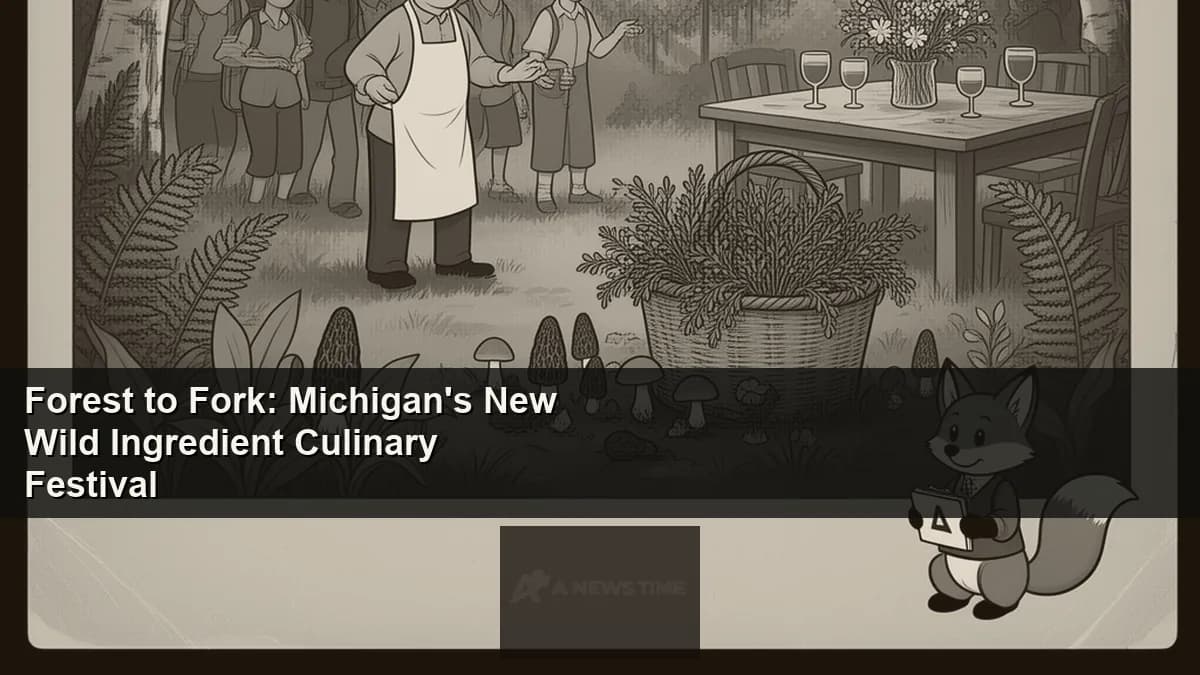
Picture a morning in late May on the Leelanau Peninsula: the ground still cool underfoot from the night before, a canopy of hardwood and birch trees overhead, and somewhere in the leaf litter at your feet, the unmistakable earthy perfume of black morel mushrooms. That smell, somewhere between damp forest floor and toasted umami, is the unofficial opening note of the culinary season in northwest Michigan. And starting this May, Traverse City is building an entire festival around it.
Forest to Fork: A Springtime Gathering, a new 4-day culinary experience running from through , will bring together foragers, chefs, vintners, and food enthusiasts in Traverse City to celebrate the wild and cultivated ingredients that define Michigan's spring harvest. Ticket sales opened on , and the festival represents the latest chapter in a broader recognition that has been building around Traverse City's food and drink culture. The city was named "Food City of the Year" in 2026, an acknowledgment of a culinary ecosystem that extends well beyond its famous cherry orchards into farm-to-table restaurants, craft breweries, and a foraging culture rooted in the region's hardwood forests.
A Festival Rooted in Land and Community
The language around Forest to Fork is deliberate and grounded. Whitney Waara, COO of Traverse City Tourism, described the festival as a celebration of the "deep bond between land, local food traditions, and community" that defines the region's relationship to food. That framing sets Forest to Fork apart from the growing number of food festivals that prioritize spectacle over substance. This one is anchored to a specific ecology and a specific moment in the agricultural calendar, when spring morels emerge, ramps push through the soil, and asparagus begins its brief, brilliant season in Michigan's sandy loam.
"Traverse City has always had this deep bond between land, local food traditions, and community. Forest to Fork is our chance to share that bond with the world in a way that feels genuine and grounded."
Whitney Waara, Chief Operating Officer, Traverse City Tourism
Michigan's upper Great Lakes region has one of the richest foraging traditions in the continental United States. The state's diverse forest ecosystems, including its stands of old-growth hardwood in the northern Lower Peninsula, support an abundance of wild edibles that have sustained Indigenous communities for centuries and attracted serious foragers for decades. The Odawa and Ojibwe peoples who have long inhabited the region around Grand Traverse Bay developed extensive knowledge of these ingredients, from fiddlehead ferns in early spring to wild leeks, serviceberries, and the mushrooms that follow rain in the warm months. Festival organizers have signaled an intention to engage with these roots rather than treat them as backdrop.
The timing of Forest to Fork is not incidental. May in northern Michigan sits at the intersection of two harvests: the end of morel season, when the prized mushrooms emerge in the dappled light of hardwood forests, and the beginning of the region's fresh produce calendar. Asparagus, ramps, watercress, and the first tender greens from local farms converge in a window that chefs in Traverse City have long treated as their most exciting cooking season. The festival captures that window and invites visitors to experience it directly rather than simply consuming its products at a restaurant table.
The Festival Program: Four Days of Forest, Vineyard, and Kitchen
The Forest to Fork program spans four days and is organized around a progression that mirrors the food chain itself, from wild ingredient in the ground to finished dish on the plate. The festival opens with guided foraging excursions into the forests and meadows surrounding Traverse City, led by local foragers and mycologists who will walk participants through the identification, harvesting, and sustainable management of wild edibles. These are not passive walks. Participants will carry baskets, learn to distinguish edible species from toxic lookalikes, and leave with ingredients they can cook that evening.
| Day | Date | Signature Event | Highlights |
|---|---|---|---|
| Day 1 | Guided Foraging Excursions | Forest walks, morel and ramp identification, sustainable harvesting techniques | |
| Day 2 | Vineyard Walks and Tasting | Leelanau County vineyard tours, "Morels in Season" wine and wild mushroom pairing | |
| Day 3 | Interactive Cooking Workshops | Chef-led demos using foraged and farm-direct spring ingredients, hands-on preparation | |
| Day 4 | "Foraging and Found" Wild Food Dinner | Multi-course seated dinner spotlighting wild and cultivated Michigan spring harvest |
The vineyard component of Day 2 reflects Traverse City's emergence as one of the Midwest's most serious wine-producing regions. The Leelanau Peninsula and the Old Mission Peninsula, both reaching into Grand Traverse Bay, have developed a cool-climate viticulture that produces Riesling, Pinot Grigio, and Pinot Noir in a style that wine critics have increasingly compared to German and Alsatian benchmarks rather than to California or the Pacific Northwest. The "Morels in Season" event pairs wines from the region's vineyards with dishes built around wild mushrooms, a combination that the peninsula's chefs have long understood as one of the great local pairings: the earthiness of fresh morels amplified by the mineral acidity of a Leelanau Riesling.
One of the preview events on the vineyard day will offer an early look at Bohemian Cellars, a new vineyard in Leelanau County scheduled to open later in 2026. Bohemian Cellars represents the continuing expansion of the region's wine scene into new appellations and farming philosophies, with an emphasis on low-intervention winemaking and heritage grape varieties suited to Michigan's growing season. The preview gives Forest to Fork attendees exclusive early access before the vineyard opens to the public.
The interactive cooking workshops on Day 3 are designed for participants who want to bring the forest-to-table philosophy home. Working with local chefs, attendees will learn to process and cook foraged ingredients alongside farm-direct spring vegetables, covering techniques from properly cleaning and storing morels to integrating wild ramps into everything from compound butters to pasta dough. The emphasis, consistent with the festival's overall ethos, is on accessible skills rather than professional technique, making the knowledge applicable to a home kitchen rather than a restaurant line.
The "Foraging and Found" Dinner: Where the Festival Culminates
The festival closes on the evening of with the "Foraging and Found" wild food dinner, a multi-course seated experience that represents the synthesis of everything the preceding three days have explored. The dinner will be prepared by a roster of Traverse City chefs working with ingredients sourced from the festival's own foraging excursions alongside farm partners across Grand Traverse, Leelanau, and Benzie counties. The menu changes with what the forest and fields actually produce, a constraint that demands both culinary flexibility and a genuine trust in seasonal availability over predictability.
That approach to menu design reflects a broader philosophy that has reshaped the region's restaurant culture over the past decade. The farm-to-table movement, which gained cultural traction in the 2010s, has matured in Traverse City into something more granular and demanding: a commitment to not just local sourcing but seasonal exactness, using ingredients at their precise moment of peak quality rather than substituting year-round availability for flavor. The "Foraging and Found" dinner is the most concentrated expression of that philosophy that the region has yet attempted at a public event scale.
"When you cook with what the forest actually gives you that week, and what the farms are genuinely harvesting that day, the food stops being a statement and starts being a conversation between the cook and the landscape. That is what we are trying to make visible."
Local chef and festival collaborator, Traverse City, Michigan
Pairing wine with the dinner will be wines drawn from across the Grand Traverse wine region, with particular emphasis on the sparkling wines and aromatic whites that the region's cooler growing season produces with unusual elegance. The evening represents, in the words of organizers, the most complete expression of the festival's thesis: that the ingredients of northwest Michigan's spring landscape, when handled with skill and respect, can produce a dining experience as distinctive and memorable as anything served in a major urban restaurant market.
Traverse City's Food Identity: More Than Cherry Orchards
The narrative around Traverse City's food culture has historically centered on one product: cherries. The Grand Traverse region produces roughly 70 to 75 percent of the United States' tart cherry crop, a dominance that has shaped both the agricultural landscape and the culinary identity of the area for generations. Cherry orchards line the Old Mission and Leelanau peninsulas, their spring blossoms as much a tourist attraction as the fruit itself. But the food city designation reflects a recognition that the region's culinary identity has expanded well beyond a single crop.
Traverse City's restaurant scene has developed with a specificity that distinguishes it from generic "farm-to-table" branding. Restaurants across the area maintain direct relationships with named farms, buy whole animals from local ranchers, and change menus on weekly or sometimes daily cycles based on what is available from the agricultural community. The city's craft brewery scene, anchored by operations like North Peak Brewing Company and Bell's Brewery (which has expanded its northern Michigan presence), has incorporated local ingredients including cherries, hops, and honey into products that function as edible expressions of regional terroir.
The foraging culture that anchors Forest to Fork is less widely publicized but equally significant. Northwest Michigan's forests support morel mushrooms, ramps, fiddlehead ferns, black raspberries, pawpaws, hickory nuts, and dozens of other wild edibles that local foragers and chefs have integrated into a cooking culture that predates the current farm-to-table moment by several generations. Indigenous communities in the region, including the Grand Traverse Band of Ottawa and Chippewa Indians, maintained detailed knowledge of these ecosystems for centuries, and a growing number of chefs and festival organizers in the area are actively working to acknowledge that heritage rather than absorb it silently. Forest to Fork's organizational framing around "land, local food traditions, and community" suggests an awareness of this history, though the depth of that engagement will be visible in practice rather than in press releases.
For context on how Michigan's culinary identity compares to other regions developing their food tourism ecosystems, the Pure Michigan culinary trail through Traverse City links farms, restaurants, and producers in a self-guided route that has drawn increasing national attention. Related coverage of how the United States' 2026 cultural events landscape is evolving shows the broader context in which Forest to Fork is launching. And readers interested in how food festivals are reshaping regional wine tourism will find connections in Colorado's Michelin expansion, which signals similar dynamics around regional culinary recognition.
Part of a Larger Traverse City Food Calendar
Forest to Fork is not the only major food event on Traverse City's 2026 calendar. The region's signature food event, the Traverse City Food and Wine Festival, is scheduled for through , drawing national and international winemakers and chefs to the shores of Grand Traverse Bay for a five-day celebration of the broader food and wine culture. The August festival, which has operated for years as one of the Midwest's premier food and wine events, focuses on finished products: restaurant dinners, wine tastings, and culinary demonstrations from established names.
Forest to Fork occupies a different position on the calendar and in the cultural narrative. Where the August festival celebrates the achievements of chefs and vintners, the May event invites participants to engage with the raw materials and the landscape that make those achievements possible. The two events are complementary rather than competitive, offering different entry points into the same regional food story.
The spring timing also makes Forest to Fork a natural anchor for a Traverse City visit that takes in the broader region. The Sleeping Bear Dunes National Lakeshore, a 35-mile stretch of Lake Michigan shoreline that the National Park Service manages as one of the most scenically significant natural areas in the Midwest, is at its most accessible and least crowded in May. The region's cherry orchards are in blossom during the festival window, a visual complement to the forest-focused programming. And the wine trail through Leelanau and Old Mission is running its spring hours, making the festival a logical centerpiece for a longer regional itinerary.
For those considering a longer exploration of Michigan's culinary landscape, it pairs naturally with coverage of the broader 2026 food trends driving regional culinary investment across the United States. The interest in hyper-local, seasonally specific food experiences that Forest to Fork represents is part of a national pattern, but the specificity of northwest Michigan's ingredients gives it a local expression that travel to the region rather than content about it.
Tickets, Access, and What to Know Before You Go
Ticket sales for Forest to Fork opened on , and individual event tickets as well as full-festival packages are available through Traverse City Tourism's official channels. Given the festival's focus on guided excursions and intimate dining experiences, capacity at each event is limited, and the "Foraging and Found" dinner in particular is expected to sell out quickly.
Traverse City is accessible by air via Cherry Capital Airport (TVC), which receives direct service from Chicago, Detroit, Minneapolis, and several other hub cities, with increased summer frequency. Ground transportation in the region generally requires a rental car, as the festival venues span multiple locations across the Traverse City area and the Leelanau Peninsula. May weather in northern Michigan averages highs in the low to mid-60s Fahrenheit, with cool nights, making layered clothing appropriate for the foraging excursions and outdoor vineyard walks.
- Festival dates: May 14-17, 2026
- Location: Traverse City, Michigan (Grand Traverse Bay region)
- Tickets: On sale as of April 6, 2026, via Traverse City Tourism
- Nearest airport: Cherry Capital Airport (TVC), with direct service from Chicago O'Hare, Detroit Metropolitan, and Minneapolis-St. Paul
- Lodging: Downtown Traverse City hotels and Leelanau Peninsula bed-and-breakfast properties fill quickly during May festival season; booking in advance is advised
- What to bring: Sturdy footwear for forest excursions, layered clothing for variable May temperatures, and a basket or bag for the foraging walks
Why This Festival Matters Beyond the Menu
Forest to Fork arrives at a moment when the conversation around food tourism is shifting from destination dining, the pursuit of restaurant reservations at marquee establishments, to immersive engagement with the food system itself. Visitors to Forest to Fork will not simply eat well; they will learn where the food comes from, who grows and harvests it, what the landscape looks like when it is producing at its spring peak, and how centuries of Indigenous and settler knowledge have shaped the edible map of northwest Michigan.
That shift reflects something genuine in how people are thinking about travel and food in 2026. The desire for experiences that are rooted in place, that could not happen anywhere else at any other time of year, has driven the growth of festival formats like Forest to Fork across the country. The animal fat revival currently transforming restaurant menus is part of the same cultural current: a reaching back toward traditional, ingredient-forward cooking practices that prioritizes authenticity over convenience. Forest to Fork makes that philosophy the organizing principle of an entire four-day event, and grounds it in one of the most ecologically and culinarily distinctive regions in the American Midwest.
Whether the festival's stated commitment to honoring "land, local food traditions, and community" extends to substantive engagement with the Indigenous communities whose knowledge underlies much of the foraging tradition will be a meaningful measure of its long-term integrity. The ingredients are genuinely extraordinary, the timing is well-chosen, and the regional food culture it celebrates is among the most compelling in the country. What Forest to Fork makes of that foundation over its inaugural run will determine what it becomes.
Frequently Asked Questions
When and where does Forest to Fork take place?
Forest to Fork: A Springtime Gathering runs from through in Traverse City, Michigan, with events across the Grand Traverse Bay region including the Leelanau Peninsula.
What is included in the Forest to Fork festival?
The four-day program includes guided foraging excursions in Michigan's spring forests, vineyard walks through Leelanau County wine country, interactive cooking workshops led by local chefs, and the "Foraging and Found" wild food dinner on the final evening. The "Morels in Season" wine and mushroom pairing event is also part of the Day 2 vineyard programming.
When did ticket sales open for Forest to Fork?
Ticket sales opened on , through Traverse City Tourism's official channels. The event has limited capacity, particularly for the closing dinner, so early booking is advised.
Why is Traverse City considered Michigan's top food destination?
Traverse City was named "Food City of the Year" in 2026 in recognition of its cherry orchard heritage, its farm-to-table restaurant culture, its Leelanau Peninsula and Old Mission Peninsula wine trails, its craft brewery scene, and its active foraging culture rooted in the surrounding hardwood forests. The region produces approximately 70-75 percent of the United States' tart cherry crop.
What other major food events does Traverse City host in 2026?
Beyond Forest to Fork, Traverse City hosts the Traverse City Food and Wine Festival from through , which draws national and international winemakers and chefs and serves as the region's flagship summer food and wine event.