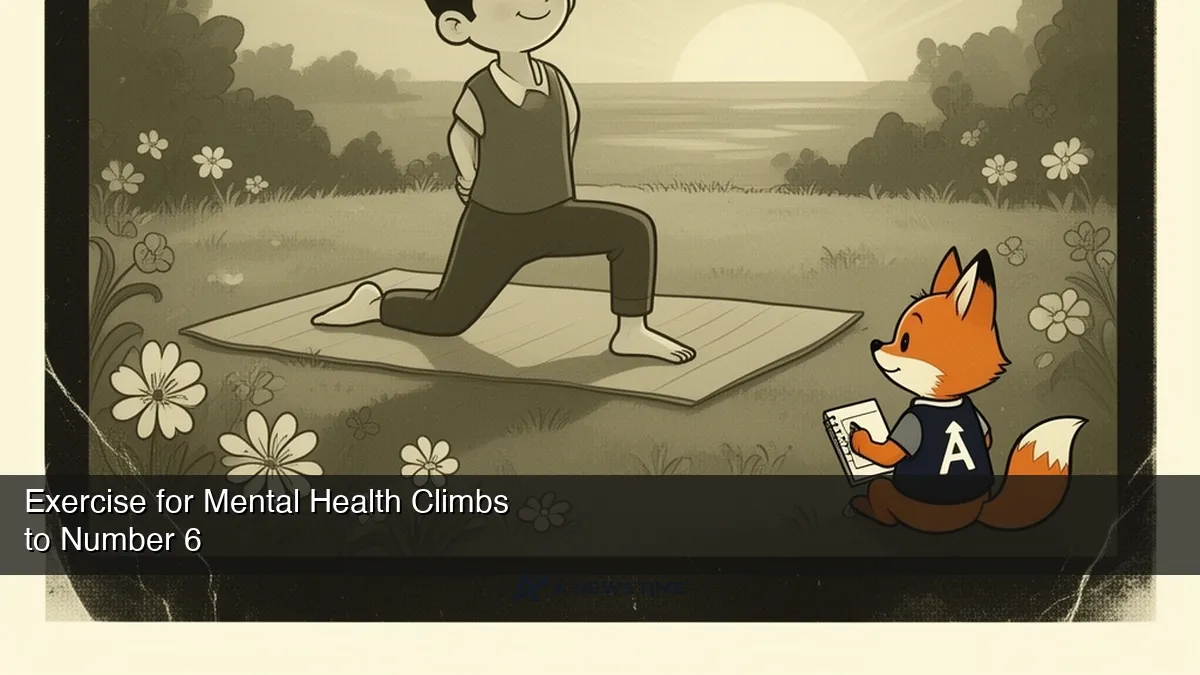

The stat is worth sitting with. Roughly 18 to 20 percent of yoga practitioners in the United States are men, a proportion that has barely shifted despite two decades of yoga's mainstream expansion. In that same period, the research on yoga's physical and psychological benefits has continued to accumulate, and much of it addresses conditions that affect men at disproportionately higher rates: lower back pain, hamstring tightness, hip flexor dysfunction, and the cluster of stress-related physiological markers associated with elevated cortisol.
There is a cultural explanation for the gap, and it is not subtle. Yoga's association with femininity in American fitness culture is both a marketing artifact and a deeply embedded perception. It shows up in gym scheduling (yoga classes slotted adjacent to barre, away from the weight room), in advertising, and in the social cost many men perceive in being the only man in a room full of people in leggings. But the cultural story and the biological story are, at this point, in direct conflict. What does the research actually say about yoga for men?
The Lower Back Problem, and What Yoga Does About It
Lower back pain is one of the most prevalent health conditions globally, and men are not immune. Research consistently shows that men in physically demanding occupations have elevated rates of chronic lower back pain, but desk workers and sedentary populations show high rates too. The mechanisms are different, prolonged sitting tightens hip flexors and weakens posterior chain musculature, while manual labor creates compressive load and repetitive stress, but the outcome is similar: persistent pain that reduces quality of life and is often managed suboptimally through medication alone.
The evidence for yoga in lower back pain is among the most robust in the broader yoga research literature. A Cochrane Review, one of the highest standards in clinical evidence synthesis, found that yoga was comparable to other first-line non-pharmacological treatments for chronic lower back pain in reducing pain intensity and functional disability. Johns Hopkins Medicine specifically lists yoga as effective as basic stretching for easing lower back pain, with the American College of Physicians recommending yoga as one of the first-line interventions for chronic lower back pain before proceeding to medication.
The mechanism operates through several pathways. Hip flexor tightness, extremely common in both sedentary desk workers and people who sit extensively while driving, creates anterior pelvic tilt, which increases lumbar compression. Yoga's hip-opening postures, particularly low lunges, pigeon pose, and supine figure-four stretches, directly address this pattern. Hamstring tightness, another predominant pattern in men, creates a similar posterior chain restriction that limits lumbar movement and increases injury risk during lifting and bending.
The muscles around the lumbar spine don't exist in isolation. When hip flexors and hamstrings are tight, the lower back compensates. Yoga specifically addresses the hip-spine relationship in ways that targeted stretching often misses, because it trains the body to move in integrated patterns rather than isolating single muscles.Dr. Timothy McCall, author of "Yoga as Medicine," former medical editor of Yoga Journal
Hamstrings, Hip Flexors, and the Flexibility Gap
Men, on average, have significantly less flexibility than women of equivalent age and fitness level. This is partially explained by differences in connective tissue composition and hormonal effects on tissue laxity, but it is also behavioral: many male-dominated fitness subcultures deprioritize flexibility training entirely. The result is a population of men who are strong but restricted, and whose restricted movement patterns increase injury risk during the activities they do pursue.
Research on flexibility in male recreational athletes consistently identifies hamstrings, hip flexors, and hip external rotators as the primary limitations. These are also the muscle groups most directly implicated in common male injuries: hamstring strains (one of the most common sports injuries across all ages), anterior knee pain, and lower back pain. Yoga, particularly styles with sustained hip and hamstring emphasis, directly targets these patterns.
What makes yoga different from simple stretching is the combination of strength and flexibility demands. Many yoga postures require muscles to be lengthened under controlled load, which is called eccentric lengthening. This is more effective for functional flexibility than passive stretching, because it trains the muscles to both accept length and maintain control through a range of motion. A warrior III, for instance, demands hamstring length and hip control simultaneously. A chair pose trains deep hip flexion under load. These are more transferable to real-world movement and athletic performance than lying on a mat and holding a stretch.
What the Stress Research Shows
The stress physiology story for yoga is where the evidence gets particularly interesting for men. Chronic stress, operationalized as persistently elevated cortisol, produces a range of physiological effects: disrupted sleep, impaired immune function, elevated cardiovascular risk, and suppressed testosterone. Men's testosterone levels are sensitive to chronic cortisol elevation, which creates a feedback loop where chronic stress contributes to reduced anabolic signaling and its associated downstream effects on muscle mass, energy, and mood.
Multiple studies have found that regular yoga practice reduces salivary cortisol levels, a proxy measure for HPA axis activation. A study examining yoga's effects on stress biomarkers in male office workers found that eight weeks of twice-weekly yoga practice produced significant reductions in self-reported stress and measurable reductions in cortisol and inflammatory markers including CRP. A separate study found that men who practiced yoga regularly showed lower baseline cortisol levels compared to non-practitioners matched for age and BMI.
The mechanism involves both the physical dimension of yoga (sustained movement activates the parasympathetic nervous system) and the attentional dimension (the focused breathing and physical concentration required in yoga interrupts ruminative thought patterns associated with stress). Research on mindfulness-based interventions consistently shows stress reduction effects, and yoga's combination of movement and breath focus produces this through a different pathway than seated meditation, which may explain why some people who struggle with meditation find yoga more accessible.
Professional Sports Teams and the Resistance Breakdown
The cultural resistance to yoga among men has been eroding in elite sports for at least a decade, and the progression is instructive. The early adopters were professional sports teams that started incorporating yoga for injury prevention and recovery, often starting it quietly before making it public. The NFL's Seattle Seahawks incorporated yoga and mindfulness practice under coach Pete Carroll, a program that became public and widely discussed after their Super Bowl run. NBA teams including the Golden State Warriors have used yoga and breathing practices as part of recovery protocols.
The shift that occurred when high-profile male athletes began publicly discussing their yoga practice was significant. LeBron James, who has discussed using yoga as part of his recovery and longevity strategy, represents a type of credentialing that changes the cultural calculus for recreational male athletes in a way that research papers alone do not. When the cultural association shifts from "yoga is for women" to "yoga is part of how elite athletes maintain performance and longevity," the participation gap should narrow.
| Yoga Style | Primary Benefit for Men | Intensity Level | Best Training Context |
|---|---|---|---|
| Yin Yoga | Deep connective tissue release, hip/hamstring flexibility | Low | Recovery days, post-lifting cooldown |
| Vinyasa / Flow | Dynamic mobility, cardiovascular warmup, body awareness | Moderate | Active recovery, cross-training |
| Power Yoga / Ashtanga | Strength, core stability, muscular endurance | High | Substitute for conditioning sessions |
| Restorative Yoga | Parasympathetic activation, cortisol reduction, sleep quality | Very low | High-stress periods, injury recovery |
| Bikram / Hot Yoga | Flexibility gains, detoxification claims (limited evidence) | Moderate-high | Flexibility focus, use with caution if heart conditions |
| Yoga Nidra | Deep relaxation, nervous system recovery, sleep improvement | None (lying down) | Sleep issues, overtraining recovery |
Injury Prevention: The Numbers Behind the Claim
The injury prevention literature on yoga is growing, and the mechanisms are intuitive to anyone who understands movement biomechanics. Better flexibility and range of motion mean that joints are less likely to reach end-range (and therefore injury risk) positions during athletic activity. Better balance and proprioception reduce the risk of ankle sprains and falls. Better body awareness, developed through yoga's attentional demands, means the nervous system is better at detecting compromised movement patterns before they become injuries.
Research on runners who added yoga to their training program found significant reductions in iliotibial band syndrome and knee pain, both extremely common running injuries. The hip-opening and gluteal activation work in yoga addresses the hip abductor weakness that is typically implicated in these patterns. Studies of male athletes in contact sports (football, rugby, soccer) found that consistent yoga practice was associated with faster return to play after minor soft tissue injuries and lower rates of recurrent hamstring strains.
For men over 40, the injury prevention argument becomes increasingly compelling. Recovery time from soft tissue injuries lengthens with age, and the asymmetries that accumulate from years of one-sided sport dominance or movement pattern restrictions create increasing vulnerability. The research on exercise and healthy aging consistently highlights flexibility and balance training as having outsized benefits in older populations, particularly men who have underinvested in these qualities relative to strength and cardiovascular work.
Getting Started Without the Cultural Baggage
The practical question for men who are persuaded by the evidence but uncertain about the experience: where do you start, and how do you avoid the parts that feel performatively unfamiliar?
Several entry points have lower cultural friction for men new to yoga. Yoga for athletes programs, which frame the practice explicitly in performance and recovery terms, are increasingly common and designed with the specific mobility limitations of athletic males in mind. Online platforms including YouTube offer extensive yoga-for-strength-athletes content that tends to be less ceremonial in framing and more directly applied to lifting-specific mobility patterns.
Beginners can reasonably start with two 30-minute sessions per week, focused on the areas most relevant to their primary activities. For gym athletes: hip flexors, hamstrings, thoracic spine. For runners: hip flexors, hip rotators, IT band, calves. The research suggests that even this modest dose, when maintained consistently, produces measurable flexibility and balance improvements within eight to twelve weeks.
The barrier of being the only man in a class is real and not trivial. But the research on yoga attendance patterns shows that as men's participation grows in any given class or gym community, the perceived cultural friction decreases for other male practitioners. The critical mass problem is self-reinforcing in both directions: the more men practice yoga, the more normalized it becomes for other men to start.
Frequently Asked Questions
Will yoga actually make me more flexible if I'm very inflexible?
Yes, and inflexibility is not a reason to avoid yoga, it is a reason to start. Research consistently shows that regular yoga practice produces measurable flexibility improvements even in people with very limited baseline range of motion. The gains are typically largest for people who are least flexible, because there is more room for improvement. Progress may take eight to twelve weeks of consistent practice to become clearly noticeable.
Does yoga reduce testosterone?
The opposite appears to be true. While cortisol and testosterone are inversely related (high chronic cortisol suppresses testosterone), yoga's documented effect of reducing cortisol levels creates conditions for healthier testosterone regulation. No research has found that yoga practice reduces testosterone levels, and some studies suggest it may support testosterone maintenance by reducing chronic stress burden.
Is yoga enough exercise on its own, or does it need to supplement other training?
This depends on the style and your goals. Power yoga and Ashtanga yoga provide genuine cardiovascular and muscular demands comparable to moderate-intensity exercise. For cardiovascular fitness and muscle mass development, yoga alone, particularly gentler styles, does not meet the WHO's strength training recommendations. Most exercise scientists position yoga as a valuable complement to, rather than replacement for, resistance training and cardiovascular exercise for men interested in comprehensive fitness.
What is the best yoga style for men who lift weights?
Yin yoga and restorative yoga are particularly useful for addressing deep connective tissue restrictions and recovery from heavy lifting. Vinyasa flow works well as an active warmup or mobility-focused training day. The choice depends on the specific limitation being addressed: deep hip restrictions respond better to sustained yin holds, while movement pattern limitations respond better to active flow work.
How soon before or after lifting should I do yoga?
Active yoga flows work well as warmups, helping activate range of motion before lifting. Sustained yin or restorative yoga is better placed after lifting or on rest days, as prolonged passive stretching before resistance training may temporarily reduce force production. Restorative yoga in the evening has good evidence for improving sleep quality, which directly affects recovery from strength training.