

Wall Street Posts Worst Week Since Start of Iran Conflict
Major US indexes tumbled sharply as escalating Iran tensions, surging oil prices, and investor flight to safety produced Wall Street's worst weekly loss since hostilities began.
14 min read
Senior Business Reporter
Senior Business Reporter covering markets, economy, and finance. 10 years. Wharton MBA. Previously at Bloomberg, Business Insider, Fortune, and Fast Company.
Major US indexes tumbled sharply as escalating Iran tensions, surging oil prices, and investor flight to safety produced Wall Street's worst weekly loss since hostilities began.

The Dow Jones Industrial Average officially entered correction territory, falling more than 10% from its December peak as geopolitical risk reprices US equities.
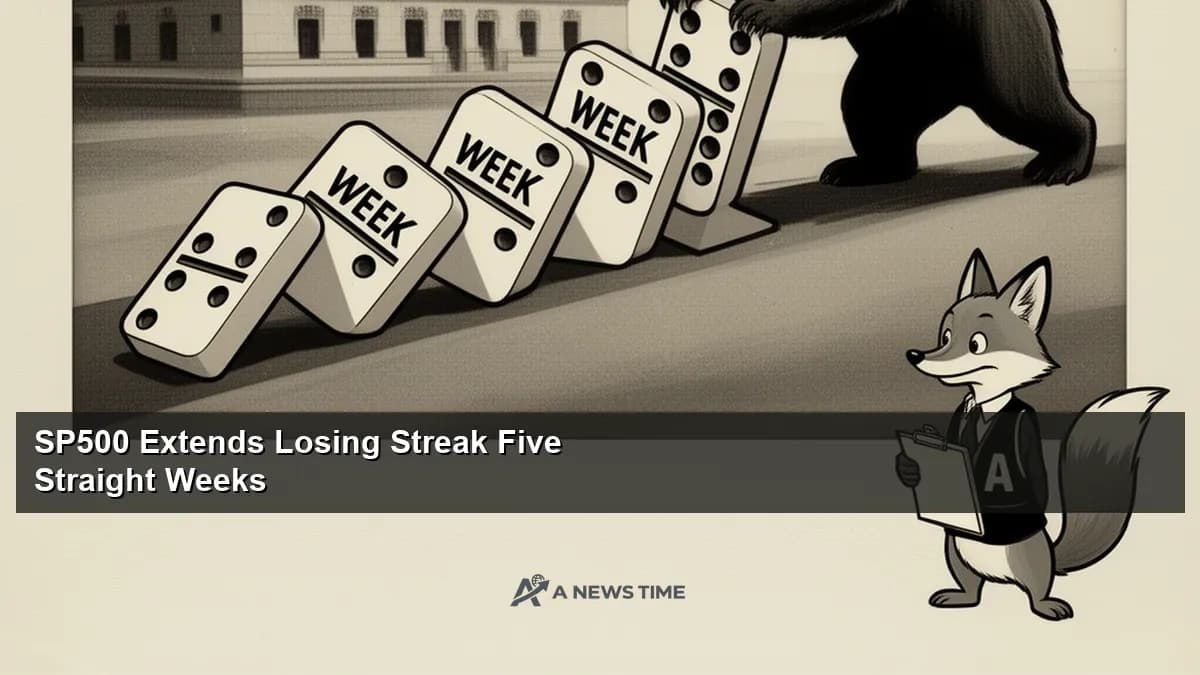
The S&P 500 closed lower for a fifth consecutive week as defense and energy stocks outperformed while technology and consumer discretionary sectors bore the brunt of losses.
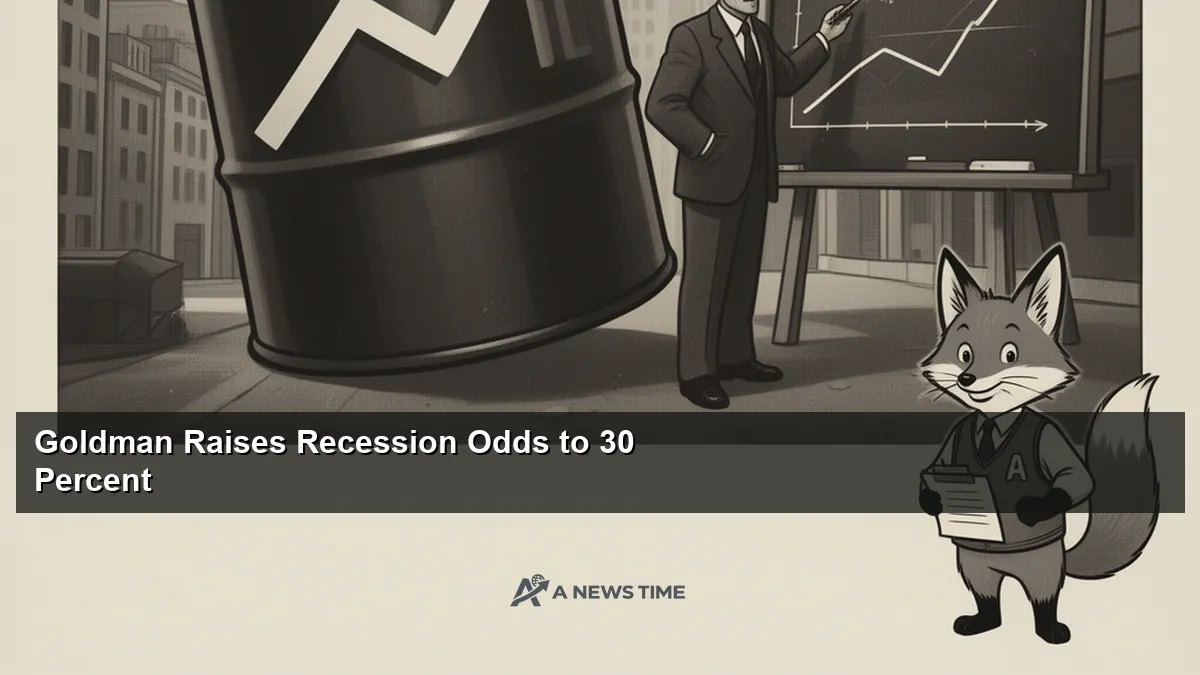
Goldman Sachs economists lifted their US recession probability to 30% after Brent crude topped $105 a barrel, warning that sustained energy costs will squeeze consumer spending.

The OECD reversed its earlier growth upgrade for 2026, warning that the Iran conflict has added 0.4 percentage points to global inflation and shaved GDP forecasts worldwide.
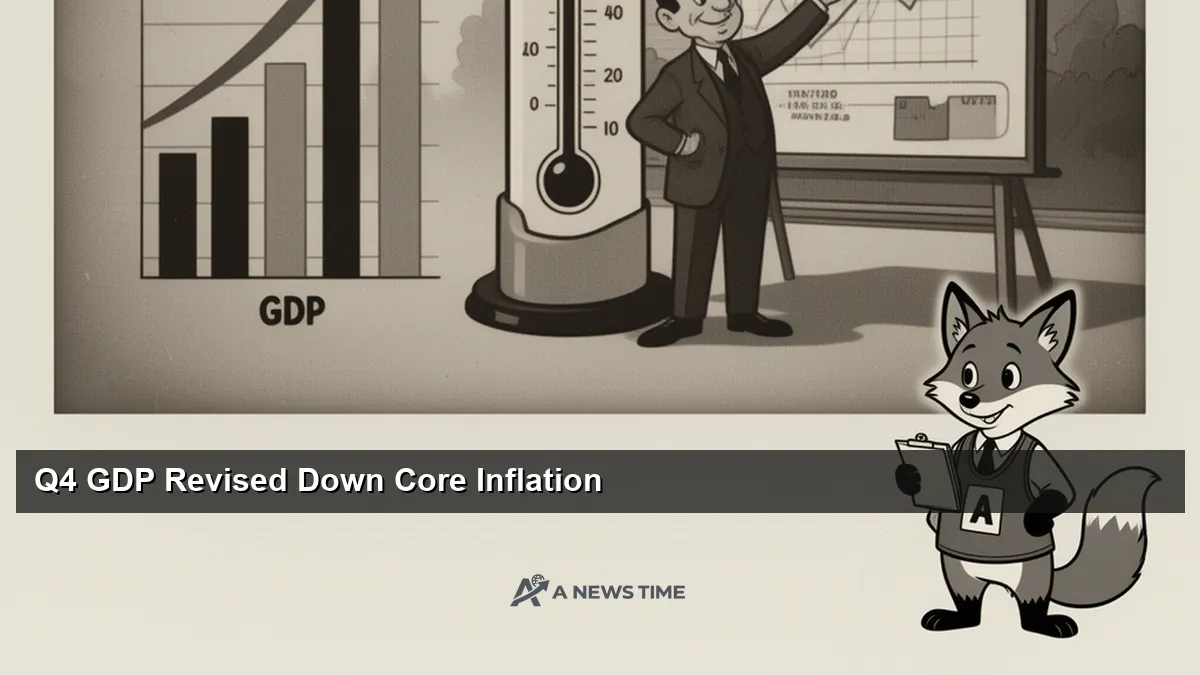
The Bureau of Economic Analysis revised fourth-quarter GDP growth down to an annualized 0.7%, while core PCE inflation was marked up to 3.1%, complicating the Fed's rate path.

The OECD projects the United Kingdom will suffer the largest GDP hit among G7 nations from the Iran conflict, with growth slashed to 0.6% as energy costs and trade disruption bite.
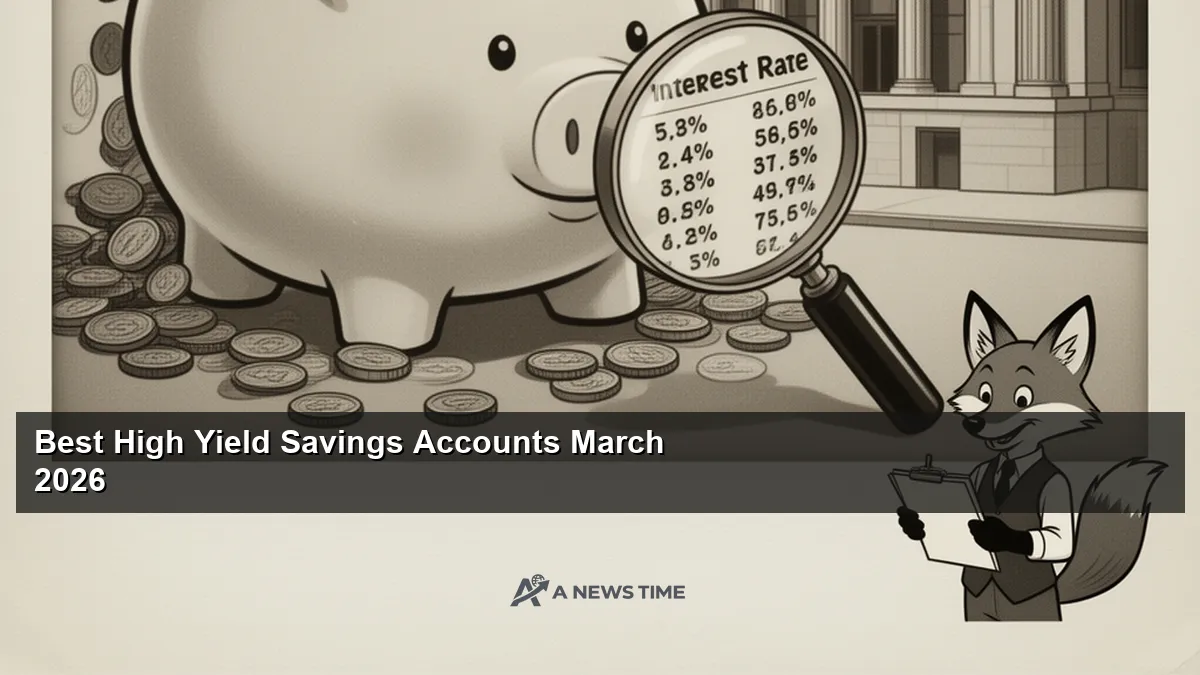
With the Fed holding rates steady, the best high-yield savings accounts still pay above 4.50% APY. We compare top offers from online banks and credit unions for March 2026.
Federal Reserve data shows median American savings fell 12% in 2025 as inflation eroded purchasing power, with stark generational and regional divides shaping the savings landscape.

The 30-year fixed mortgage rate climbed to 6.38% as Treasury yields spiked on Iran war uncertainty, pushing monthly payments higher and sidelining first-time homebuyers.

Economists at NAR, Zillow, and Redfin offer competing forecasts on whether home prices will finally decline in 2026 as inventory rises and affordability reaches historic lows.
Spring inventory is arriving faster than expected, but rising mortgage rates and geopolitical uncertainty are keeping buyers cautious. Here is what March data tells us.
Bitcoin dropped below $68,000 for the first time since February as rising 10-year Treasury yields and risk-off sentiment pushed investors away from speculative assets.

Bitcoin stabilized above $70,000 while Ethereum surged 8% after the SEC approved the first staked Ether ETF, marking a new chapter for institutional crypto adoption.